

By Dr Aung Tun
On the Occasion of World Hypertension Day 2026 — 17 May 2026
Imagine carrying a ticking time bomb inside your chest — silent, invisible, giving no warning signs. You feel perfectly fine. You go about your daily routine. But inside, the pressure is building, quietly damaging your heart, your brain, and your kidneys. This is the reality for millions of people living with hypertension, or high blood pressure — the world’s most common yet most underestimated medical condition.
As the world observes World Hypertension Day on 17 May 2026 under the theme “Controlling Hypertension Together: Check Your Blood Pressure Regularly, Defeat the Silent Killer”, it is time for every one of us — young or old, urban or rural — to pay attention. This article explains what hypertension is, why it matters, and most importantly, what you can do about it.
1. What Is Hypertension?
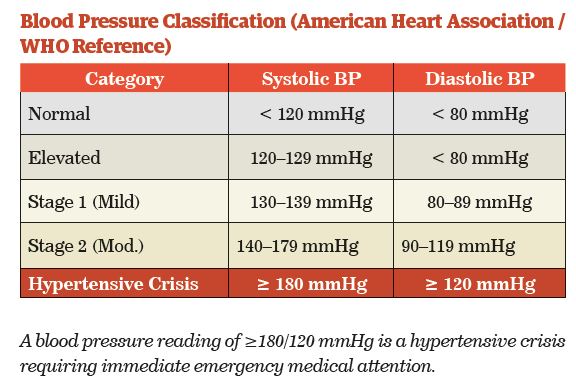
Blood pressure is the force that your blood exerts against the walls of your arteries as your heart pumps it around the body. It is measured in millimetres of mercury (mmHg) and recorded as two numbers: systolic pressure (when the heart beats) over diastolic pressure (when the heart rests between beats). A healthy reading is generally around 120/80 mmHg.
Hypertension is defined as having a blood pressure consistently at or above 130/80 mmHg. When the pressure in the arteries is persistently too high, the heart has to work harder than normal, and over time, the blood vessels, heart, brain, kidneys, and eyes begin to suffer damage. Most people with high blood pressure feel nothing at all — hence its well-deserved nickname, “the silent killer”.
2. Types of Hypertensions
Not all high blood pressure is the same. There are two main types, and understanding them helps with the right approach to treatment.
Primary (Essential) Hypertension
This is by far the most common type, accounting for about 90–95 per cent of all cases. It has no single identifiable cause, but develops gradually over many years through a combination of genetic predisposition, unhealthy lifestyle choices, ageing, and environmental factors. It cannot be “cured”, but it can be very effectively managed.
Secondary Hypertension
Secondary hypertension has a specific underlying cause, such as kidney disease, hormonal disorders (like an overactive thyroid or adrenal gland tumour), sleep apnoea, or certain medications (including oral contraceptives, anti-inflammatory drugs, and decongestants). Treating the root cause can often bring blood pressure back to normal. Secondary hypertension tends to appear suddenly and be more severe.
There are also special categories worth noting, including isolated systolic hypertension (common in older adults), white-coat hypertension (elevated readings only in a clinical setting), and masked hypertension (normal readings at the clinic but high at home).
3. Global Burden: A Crisis in Every Country
High blood pressure is not a disease of the wealthy or the elderly alone. It is a global crisis.
• An estimated 1.4 billion people worldwide live with hypertension — that is, roughly one in three adults globally.
• Despite the availability of effective and affordable treatments, only about one in four people with hypertension have their blood pressure adequately controlled.
• Hypertension is the leading preventable cause of premature death worldwide, responsible for over 10 million deaths annually.
• It is the primary driver of heart attacks, strokes, and kidney failure — the three leading causes of death and disability globally.
• Two-thirds of people with hypertension live in low- and middle-income countries (LMICs), where healthcare access and awareness remain limited.
• About half of all people with hypertension are completely unaware of their condition, going undiagnosed for years.
The economic toll is enormous. The costs of stroke rehabilitation, dialysis for kidney failure, and cardiac surgery place a crushing burden on families and health systems alike. Experts estimate that each year of inaction costs the global economy hundreds of billions of dollars in lost productivity and healthcare expenditure.
WHO calls hypertension “one of the most important preventable causes of premature cardiovascular disease and mortality worldwide” and has set a global target of reducing its prevalence by 33 per cent by 2030.
4. Myanmar’s Situation: A Growing Challenge
Myanmar is not immune to the global hypertension epidemic. National survey data paint a sobering picture of the NCD burden within our country, including the rising prevalence of high blood pressure across all age groups and regions.
The 2024 Myanmar STEPS Survey — the most comprehensive national NCD risk factor assessment in a decade — covered 52 townships and 8,252 adults aged 18-69 years.
The latest findings from the *Myanmar STEPS Survey 2024* reveal a significant public health challenge regarding hypertension among adults aged 18-69. The data highlights not only a high prevalence of high blood pressure but also critical gaps in diagnosis and effective treatment.
*Current Situation Overview**
*High Prevalence: * Nearly **one in four adults (24.4 per cent) ** in Myanmar suffers from hypertension. The prevalence is notably higher in men (27.3 per cent) compared to women (21.1 per cent).
*The “Silent” Gap: * While 58.1 per cent of hypertensive individuals have been previously diagnosed, a significant portion remains unaware of their condition until tested.
*Treatment Hurdles: * Only **43.6 per cent** of those with hypertension are currently receiving medical treatment. There is a distinct gender disparity here, with women (54.1 per cent) being much more likely to seek or receive treatment than men (36.5 per cent).
*Low Control Rates: * Most concerning is that only **21.6 per cent** of hypertensive patients have their blood pressure effectively controlled. This suggests that even among those diagnosed and treated, the management of the condition remains insufficient to prevent long-term complications like stroke or heart disease.
*Contributing Risk Factors*
The survey also identifies several lifestyle factors contributing to these high rates:
*Dietary Salt:* 18.3 per cent of the population regularly adds salt or salty sauce to their food.
*Physical Inactivity:* 25.9 per cent of adults do not meet the recommended physical activity levels.
*Obesity:* 26.8 per cent of the population is overweight (BMI \ge 25 kg/m^2), a primary driver for raised blood pressure.
The 2024 STEPS Survey underscores the urgent need for enhanced public health interventions in Myanmar. Improving screening coverage, especially for men, and ensuring better access to effective, long-term treatment are essential steps to reducing the national burden of cardiovascular diseases.
5. Signs, Symptoms, and Warning Signals
The most dangerous thing about hypertension is that it usually has no symptoms. A person can walk around for years with dangerously high blood pressure without feeling a thing. This is why checking your blood pressure regularly — even when you feel well — is so critically important.
However, when blood pressure reaches very high levels, some people may experience:
• Severe headaches, especially at the back of the head
• Blurred or double vision
• Nausea or vomiting
• Dizziness or light-headedness
• Chest pain or tightness
• Shortness of breath
• Nosebleeds (epistaxis)
• Ringing in the ears (tinnitus)
• Facial flushing or a feeling of heat
IMPORTANT: These symptoms usually appear only during a hypertensive crisis (blood pressure ≥180/120 mmHg), which is a medical emergency. Do NOT wait for symptoms to check your blood pressure. By the time symptoms appear, serious damage may already be underway.
6. Complications and Side Effects of Uncontrolled Hypertension
When high blood pressure is left untreated or poorly managed, the consequences are serious and wide-ranging. The extra force placed on artery walls causes them to thicken, harden, and narrow — a process called atherosclerosis. Over time, this damages vital organs throughout the body.
Heart
• Heart attack (myocardial infarction): when the blood supply to the heart muscle is blocked
• Heart failure: when the heart becomes too weak or too stiff to pump blood effectively
• Left ventricular hypertrophy: the heart muscle thickens and enlarges, reducing efficiency
Brain
• Stroke: either haemorrhagic (burst blood vessel) or ischaemic (blocked blood vessel) — often leading to paralysis, speech loss, or death
• Transient ischaemic attacks (TIAs) or “mini-strokes”
• Vascular dementia: cognitive decline due to reduced blood flow to the brain Kidneys
• Chronic kidney disease (CKD): damaged kidney arteries reduce filtering ability
• End-stage renal disease (ESRD): requiring dialysis or kidney transplantation
Eyes
• Hypertensive retinopathy: damage to the retinal blood vessels, leading to blurred vision or blindness
Blood Vessels
• Aortic aneurysm: a bulge in the main artery that can rupture, causing life-threatening internal bleeding
• Peripheral artery disease: narrowed arteries in the legs, causing pain and mobility issues
The damage is cumulative and progressive. The longer blood pressure stays high and uncontrolled, the greater the organ damage. Early detection and treatment are the most effective ways to prevent these devastating complications.
7. Treatment: Effective Options Are Available
The good news is that hypertension is very treatable. In many cases, a combination of lifestyle changes and medication can bring blood pressure to a safe level and significantly reduce the risk of complications. Treatment is tailored to the individual based on age, blood pressure level, other health conditions, and risk factors.
Lifestyle Modifications (First-Line Treatment)
For elevated and Stage 1 hypertension, lifestyle changes alone may be sufficient to control blood pressure. These include:
• Reducing sodium (salt) intake to less than 5 grammes per day (about one teaspoon)
• Eating a heart-healthy diet rich in fruits, vegetables, whole grains, and low-fat dairy (the DASH diet)
• Regular aerobic exercise: at least 150 minutes per week of moderate activity such as brisk walking, cycling, or swimming
• Maintaining a healthy body weight, even a five-kilogramme weight loss, can meaningfully lower blood pressure
• Limiting alcohol to no more than one standard drink per day for women and two for men
• Quitting tobacco in all forms
• Managing stress through relaxation, adequate sleep, and social support
Medications
For Stage 2 hypertension or when lifestyle changes are insufficient, antihypertensive medications are prescribed. These are safe, effective, and generally affordable. Common drug classes include:
• ACE inhibitors (e.g., enalapril, lisinopril): relax blood vessels and reduce strain on the heart
• Angiotensin receptor blockers (ARBs) (e.g., losartan, valsartan): similar mechanism to ACE inhibitors
• Calcium channel blockers (e.g., amlodipine, nifedipine): relax and widen blood vessels
• Diuretics (“water pills”) (e.g., hydrochlorothiazide): help the kidneys remove excess salt and
fluid
• Beta-blockers (e.g., atenolol, metoprolol): slow the heart rate and reduce blood pressure
Many patients require two or more medications. Patients mustn’t stop their medication without consulting their doctor, even if they feel fine. Blood pressure medications do not “cure” hypertension — they manage it. Stopping abruptly can lead to a dangerous rebound in blood pressure.
Regular follow-up with a healthcare provider is essential for all people being treated for hypertension.
8. Prevention: What Every Person Can Do
Prevention is always better than treatment. The majority of hypertension cases are preventable through sustained healthy lifestyle choices. You do not have to wait until you are sick to start protecting your blood pressure.
✅ DO These Things
• Know your numbers: check your blood pressure at least once a year, even if you feel healthy. People over 40 should check more frequently.
• Eat more plants: fruits, vegetables, legumes, and whole grains lower blood pressure naturally.
• Move your body: aim for at least 30 minutes of moderate exercise on most days.
• Sleep well: Poor sleep is a significant and under-recognized risk factor for hypertension.
• Manage your weight: obesity is one of the strongest risk factors for developing hypertension.
• Drink water: staying well hydrated supports healthy blood pressure.
• Reduce stress: chronic stress drives up blood pressure; mindfulness, yoga, and social connection help.
• Attend regular health check-ups: blood pressure screening saves lives.
❌ AVOID These Things
• Excessive salt: Myanmar’s traditional diet, including fermented fish paste (ngapi), salty soups, and pickled dishes, is often very high in sodium. Reduce salt in cooking and avoid adding salt at the table.
• Tobacco: smoking and chewing betel nut (Kyetthoot) raise blood pressure and dramatically increase cardiovascular risk.
• Alcohol: Heavy drinking is a direct cause of hypertension. Limit or avoid.
• Processed and fried foods: high in salt, saturated fat, and calories.
• Sedentary lifestyle: hours of sitting without movement raise blood pressure over time.
• Ignoring symptoms: if you experience severe headache, vision changes, or chest pain — seek medical attention immediately.
Prevention is not about perfection. Small, consistent changes — taken one step at a time — add up to a lifetime of better cardiovascular health. Start today: check your blood pressure, reduce the salt, take a walk, and tell your family to do the same.
9. World Hypertension Day 2026: Theme and WHO Call to Action
Every year on 17 May, the world unites to raise awareness about high blood pressure. World Hypertension Day was first established by the World Hypertension League (WHL) in 2005 and is now observed globally with health screenings, education campaigns, and policy advocacy.
2026 Theme — Official Messages
World Hypertension Day 2026 Theme:
“Controlling Hypertension Together: Check Your Blood Pressure Regularly, Defeat the Silent Killer”
World Hypertension League (WHL) Theme:
“Controlling Hypertension Together!”
WHO Key Messages for 2026:
• Check your blood pressure — everyone should know their numbers
• Hypertension can be prevented and controlled through a healthy lifestyle
• Early detection saves lives — most people are unaware they have it
• Treatment works — affordable medications prevent serious complications
• Controlling hypertension is a shared responsibility — individuals, families, communities, health professionals, and health systems must all act
The 2026 theme emphasizes a profound truth: no single person, institution, or government can tackle hypertension alone. It requires a collective effort at every level of society. Patients must be empowered to monitor and manage their blood pressure. Families must support healthy behaviours. Communities must create environments where physical activity, nutritious food, and healthcare access are available to all. Health systems must prioritize screening, treatment continuity, and patient education. Governments must implement policies that reduce salt in processed foods, restrict tobacco and alcohol, and make antihypertensive medicines widely available and affordable.
The WHO further calls on all countries to achieve the global target: 80 per cent of people with hypertension should be diagnosed, and 80% of those diagnosed should have their blood pressure under control — the ‘80-80’ target. Achieving this would prevent millions of premature deaths from heart attack and stroke each year.
10. Working Together: The Path Forward
The theme “Controlling Hypertension Together” is not merely a slogan — it is a roadmap. Tackling hypertension effectively demands coordinated, multi-sectoral action.
For Individuals and Families
Make blood pressure monitoring a household habit. Buy an affordable, validated blood pressure monitor for home use. Know your numbers. Ensure that elderly family members attend regular health check-ups. Encourage loved ones to follow their treatment plans consistently. Reduce the salt in family meals. Create a culture of health within the home.
For Communities and Healthcare Workers
Community health workers and nurses are on the frontlines of hypertension detection in Myanmar. Expanding community-based screening, especially in rural areas and among older adults, is essential. Faith-based organizations, schools, workplaces, and local leaders all have roles to play in normalizing blood pressure checks and promoting healthy lifestyles.
For Health Systems and Government
Myanmar’s health sector has taken important steps through the NCD National Strategic Plan and the WHO PEN (Package of Essential NCD Interventions) protocol at primary healthcare centres. Sustaining and scaling up these efforts — even in challenging circumstances — is critical. Ensuring a reliable supply of affordable antihypertensive medicines at all levels of the health system is non- negotiable. Strengthening data collection, including regular national STEPS surveys, supports evidence-based policy.
A Message to Readers
You are reading this article because someone, somewhere, cares about your health — and so does the World Health Organization, the World Hypertension League, and every public health professional working to raise awareness on this day. But ultimately, the first and most important step is yours.
Check your blood pressure. Share this article with a friend or family member. Make one small healthy change this week. Together, we can defeat the silent killer.
“The best time to measure your blood pressure was yesterday. The second-best time is today.”
References
1. World Health Organization. World Hypertension Day 2026. WHO Events. Available at: https://www.who.int/news-room/events/detail/2026/05/17/default-calendar/world- hypertension-day-2026 [Accessed May 2026].
2. World Hypertension League (WHL). World Hypertension Day 2026: “Controlling Hypertension Together!” WHL Campaign Toolkit. Available at: https://www.whleague.org [Accessed May 2026].
3. Ministry of Health, Myanmar. Myanmar National STEPS Survey 2014: Risk Factors for Non- Communicable Diseases. Naypyitaw: Ministry of Health; 2015.
4. Bjertness MB, Htet AS, Meyer HE, et al. Prevalence and determinants of hypertension in Myanmar — a nationwide cross-sectional study. BMC Public Health. 2016; 16:590. doi:10.1186/s12889-016-3275-7.
5. Ministry of Health, Myanmar. Abstract: Improvements in NCD Risk Factor Management in Myanmar — STEPS Survey 2024. Population-based survey across 52 townships; 8,252 adults aged 18–69 years. Naypyitaw: Ministry of Health; 2024.
#TheGlobalNewLightOfMyanmar