
By Junior Thin
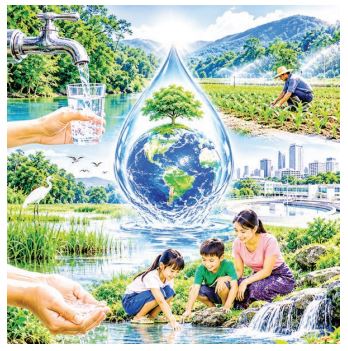
Freshwater is so familiar that its importance is often noticed only when it is no longer available. A turn of a tap, a glass of drinking water, a meal prepared at home, and crops growing in the fields all depend on a resource that is limited, unevenly distributed, and increasingly under pressure. Rivers, lakes, streams, wetlands and underground aquifers sustain people and nature alike. Yet pollution, waste, changing weather patterns and poorly planned development are placing many freshwater sources at risk. Valuing water must therefore mean more than recognizing its importance. It must mean protecting it through everyday choices and sound public policy. The planet appears abundant in water, but only a small share is freshwater that people and ecosystems can readily use. Much of it is locked in ice or lies deep underground. The usable supply must serve homes, farms, industries, and the natural habitats on which communities depend. In some places, water is available throughout the year; in others, people face seasonal shortages, unreliable wells or long journeys to collect it. This imbalance makes careful management essential. A resource that seems plentiful in one season or one town can become scarce in another, especially when demand grows faster than supplies can recover. Agriculture is one of the largest users of freshwater in many parts of the world. Water is necessary to grow food, support livestock, and sustain rural livelihoods, but inefficient irrigation can waste significant quantities. Leaking channels, poorly maintained pumps and methods unsuited to local conditions may send water where it is not needed, while crops go without it at critical times. Farmers can conserve supplies by improving irrigation schedules, repairing infrastructure, selecting appropriate crops and protecting soil moisture. Such changes require investment, training and reliable information. They should be supported as practical measures that strengthen both food security and the long-term health of water sources. Cities and towns face a different but connected challenge. As populations expand, demand rises for drinking water, sanitation, housing, transport and industry. When growth outpaces planning, water systems may struggle to deliver safe supplies to every neighbourhood. Leaking pipes can waste treated water before it reaches households, while untreated sewage and industrial discharge can contaminate rivers and groundwater. Poor communities are often hit hardest: they may pay more for water from vendors, rely on unsafe sources or receive service for only a few hours a day. Fair access should be a central measure of good water management, not an afterthought. Pollution does not always begin beside a river. Fertilizers and pesticides can run off fields; rubbish can wash from streets into drains; and untreated waste can travel downstream from homes and businesses. Once a source is contaminated, cleaning it can be far more difficult and costly than preventing pollution in the first place. Protecting water therefore requires cooperation across an entire watershed – the land area from which rain and streams flow into a shared river, lake or aquifer. Local authorities, farmers, industries and residents all have a role. Responsibility cannot stop at the boundary of a village, township or property. Climate change is adding uncertainty to this already complicated picture. Higher temperatures can increase evaporation, while changing rainfall patterns may bring longer dry periods in some areas and heavier downpours in others. Sudden floods can damage water infrastructure and carry waste into sources used for drinking. Drought can reduce river flows, weaken harvests and put pressure on groundwater. These effects are not identical everywhere, and local conditions matter. But the risks highlight why communities need resilient systems: protected watersheds, maintained reservoirs, early warning, emergency plans and water supplies that do not depend on a single source.
Nature itself is part of the water system, not a competitor for water that belongs only to people. Wetlands absorb excess rain, filter pollutants and provide habitat for fish and birds. Forests and healthy soils help regulate runoff and reduce erosion. Rivers need sufficient flow to support aquatic life and the communities that depend on them. When wetlands are drained, forests cleared, or riverbanks built over, the consequences can reach beyond the damaged site. Flood risks may increase, water quality may decline, and local livelihoods may suffer. Conservation is therefore not separate from development; it helps sustain the natural processes on which development relies.
Households can contribute through simple, consistent habits: fixing leaking taps, avoiding unnecessary running water, using only what is needed for washing and cleaning, and keeping rubbish, oil and chemicals out of drains. These actions matter, but they cannot solve the problem alone. It would be unfair to ask families to conserve while public systems lose water through unrepaired leaks or industries discharge waste without proper treatment. Individual responsibility must be matched by institutional responsibility. Clear standards, regular monitoring, transparent reporting and meaningful enforcement are essential if communities are to trust that water is being managed for the public good.
Education can help turn concern into lasting practice. Children who learn where water comes from and how pollution travels through a watershed may carry those lessons into their homes and communities. Public information should explain not only how to save water, but also why local sources are vulnerable and what people can do when they see contamination or waste. Community participation can improve decisions, too. Residents often know which wells dry up first, where flooding repeatedly occurs, and which streams are affected by dumping. Listening to that knowledge can help planners design responses that fit actual conditions rather than relying on assumptions.
Governments and local authorities have a responsibility to treat water as a shared public resource. This means maintaining supply and sanitation networks, protecting recharge areas, monitoring quality and planning for periods of scarcity as well as floods. It also means bringing different users to the table before conflicts become severe. Decisions about dams, irrigation, extraction and land use can affect people far beyond the project site. Transparent assessments and genuine consultation help ensure that benefits and burdens are considered fairly. Cooperation between neighbouring communities and regions is especially important where rivers and aquifers cross administrative boundaries.
Valuing freshwater ultimately means recognizing that access to clean water is tied to health, dignity, livelihoods and opportunity. It also means understanding that water taken from nature faster than it can be replenished, or returned polluted, cannot support people indefinitely. No single action will protect every river, lake or aquifer. Progress will depend on many decisions: how farms irrigate, how towns manage waste, how businesses use water, how authorities plan and how communities care for local sources. Freshwater is too essential to be treated as limitless. Protecting it today is an investment in the security and wellbeing of generations to come.
#TheGlobalNewLightOfMyanmar