
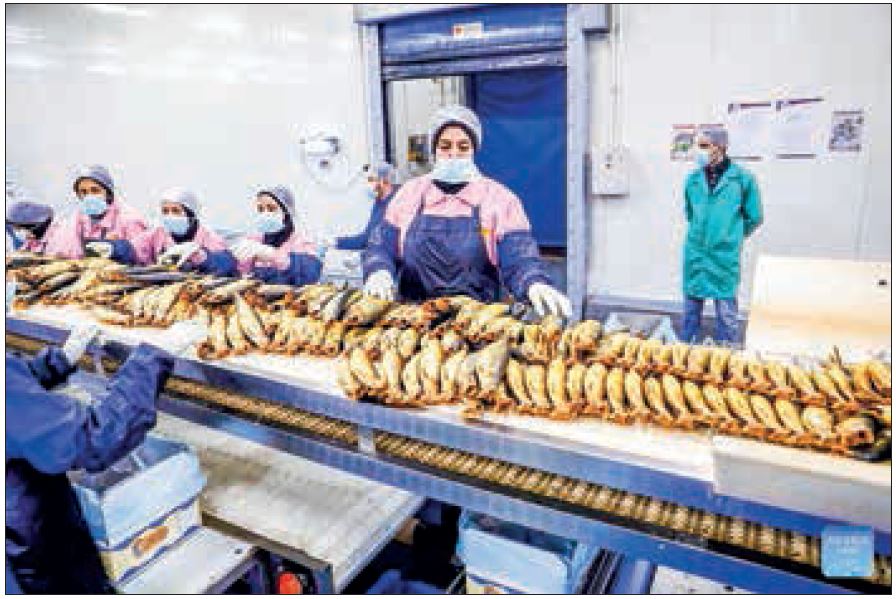
AS dawn breaks on Orthodox Easter Monday, Egyptians of all faiths gather in parks, on balconies, and along riverbanks, clutching plates of fesikh — a pungent, fermented fish dish that has anchored the country’s millennia-old festival, Sham El-Nessim, since the days of the pharaohs.
Though lesser-known beyond Egypt’s borders, this 5,000-year-old celebration, whose name translates to “the smell of the breeze,” marks the arrival of spring with traditions that transcend religion, class, and time.
Sham El-Nessim traces its origins to Shemu, an ancient Egyptian harvest festival celebrating the life-giving Nile flood and the rebirth of the land. Hieroglyphs from 2,700 BCE depict offerings of fish, lettuces, and onions to deities — a ritual later absorbed into Coptic Christian and Islamic traditions as Egypt’s cultural fabric evolved.
At the heart of the celebration lies fesikh, a gray mullet salted and aged for months — a culinary tradition as divisive as it is beloved.
For Ahmed Ayesh, a taxi driver in Cairo, the dish’s potent aroma is a nostalgic trigger. “Without fesikh, Sham El-Nessim wouldn’t be Sham El-Nessim,” he said, laughing as he nibbled on the fish with hardboiled eggs and green onions. “My grandparents ate this. Their grandparents, too. It’s our heritage on a plate.”
The preparation of fesikh is an art — and a gamble. Improperly cured fish can cause illness. — Xinhua