
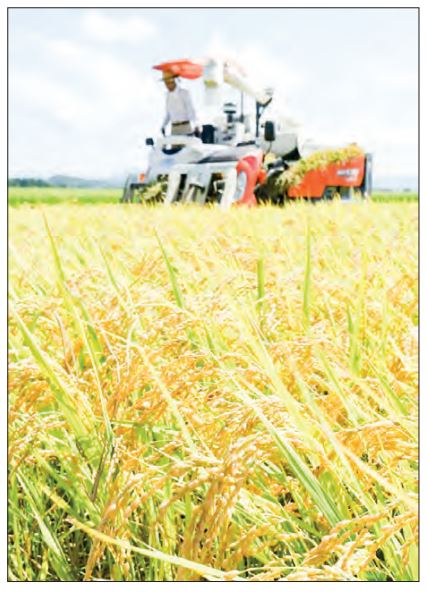
JAPAN’S parliament enacted a revised staple food law on Wednesday to improve rice reserve measures and promote a demand-led approach to production, removing reference to output adjustments seen as a continuation of a longstanding cutback policy.
The change departs from a pledge made less than a year ago by Prime Minister Sanae Takaichi’s predecessor Shigeru Ishiba to switch to a boosted production model, with an eye to stabilizing the price of the staple food. Critics say it effectively continues de facto production controls to support farmers, a key base for Takaichi’s ruling Liberal Democratic Party. Amid criticism of the changes to encourage a demand-based approach, Minister of Agriculture, Forestry and Fisheries Norikazu Suzuki said in an interview last month with Kyodo News, “If our approach is just to increase supplies, market prices will face pressure.”
At the same time, he said that overall rice output could still be expanded by developing demand for rice flour and processed products as well as by promoting exports.
As part of measures to improve the rice reserve system, large private companies such as wholesalers will be required to hold some rice stocks for a quick release to retailers in the event of a shortage. Of the 1 million tonnes deemed an appropriate level of rice reserves in the country, private companies are tasked with securing about 200,000 tons.
Kyodo
#TheGlobalNewLightOfMyanmar