
RECOGNIZING that online scams and gambling are global challenges involving technology, information, the economy, security and international relations, the Government has made combating these activities a national duty. It is intensifying crackdowns in cooperation with domestic forces and neighbouring countries.
During these operations, numerous foreign nationals who entered Myanmar legally or illegally to engage in online scams and gambling were arrested in various border areas of Shan State, along with equipment used in their operations. Chinese nationals accounted for the majority of those apprehended.
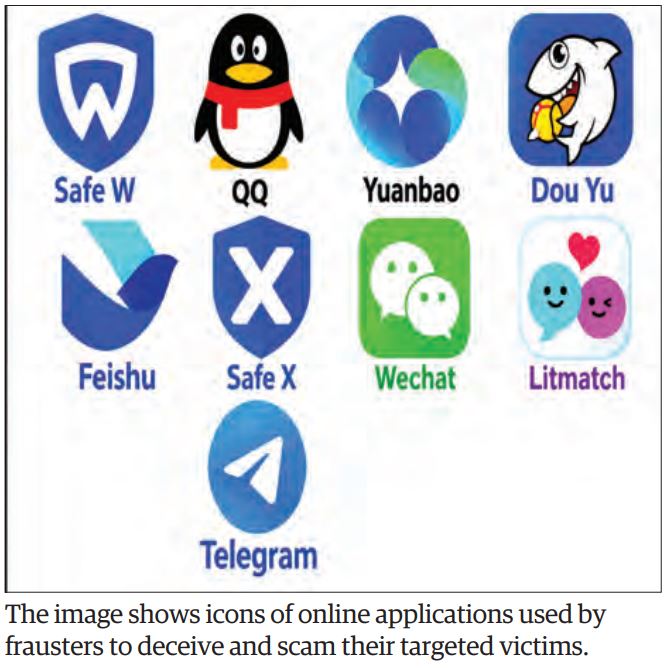
Between 1 August and 31 October 2026, a total of 759 foreign nationals were arrested in Shan State for involvement in online scams and gambling, including 502 Chinese citizens. Investigations and examinations of confiscated computers and mobile phones revealed that their primary targets were fellow Chinese nationals. They exploited victims’ trust, emotions and desire for financial gain through the internet, social media and digital communication applications, including Safe W, QQ, Yuanbao, Dou Yu, Feishu, Safe X, WeChat, Litmatch and Telegram.
Investigations found that the scammers mainly targeted individuals with limited general awareness, poor technological literacy or a strong desire for quick profits. They classified potential victims according to age, occupation and interests before selecting suitable approaches. They created fake identities, posing as military or police Authorities, government officials, wealthy businesspeople, professionals, technology experts or attractive individuals. They also prepared fabricated photographs, documents and lifestyles to make their identities appear genuine.
To establish trust, they shared fabricated personal and workplace experiences while learning about their targets’ interests and backgrounds. Their approaches varied according to victims’ ages, social status and emotional conditions. They often posed as attractive members of the opposite sex to approach younger people, while impersonating civil servants or businesspeople to gain the respect of older targets.
After establishing romantic relationships with younger victims through daily communication and affectionate messages, they requested money under the pretext of family emergencies, health problems or business difficulties. Some even promised marriage to obtain further payments. They subsequently cut off contact, deleted their accounts or demanded additional money using new excuses.
In investment-related scams, they lured people motivated by greed with supposedly successful businesses and investment opportunities promising guaranteed high returns. Using forged records, fake online platforms and fabricated evidence, they created the illusion that other investors were earning profits. They encouraged victims to invest through fraudulent financial applications and stock trading platforms, while sending group photographs to suggest widespread participation.
They also staged photographs of relief donations purportedly funded by business profits to enhance their credibility and portray their operations as socially responsible enterprises. Investigations revealed that they initially paid small returns to build investors’ confidence but eventually shut down the applications, blocked withdrawals and concealed the trail of the stolen funds. — 100/ ST
#TheGlobalNewLightOfMyanmar