
EL Nino has emerged for the first time in two years and is feared to intensify into a “super El Nino”, which would raise the risk of extreme heat in Japan despite the pattern’s usual association with cooler summers.
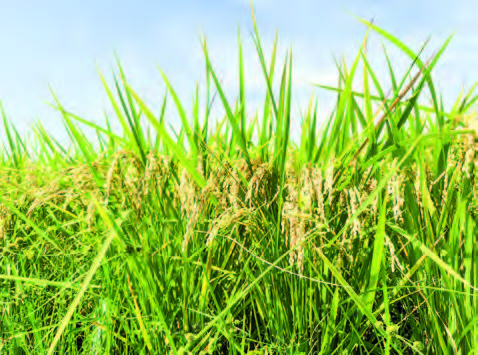
Experts warn such summer heat could deal a blow to Japanese rice quality again this year, as it did during the 2023-2024 El Nino, while farmers are already shifting to heat-tolerant varieties after heat damage in 2023 crop triggered shortages and led to price surges.
El Nino occurs when sea surface temperatures in a monitoring zone off Peru stay at least 0.5 C above a baseline for more than six months.
Weather specialists call it a super El Nino when the increase reaches 2 C or more — a threshold only five of the 19 El Nino events since 1949 have crossed — and they say that could happen from this month.
In a typical El Nino, convection near the Philippines weakens and the Pacific high pressure system extends north less strongly, often bringing more clouds around Japan and leading to a cooler summer.
This year, experts expect warm waters near the Philippines to keep convection active and allow the Pacific high to advance north. They also expect the westerlies to shift north, which can leave Japan more easily covered by warm air to the south. — Kyodo