
AIRLINE executives descend on Rio this weekend to weigh the prospects for an industry grappling with geopolitical turbulence, soaring fuel costs and travellers wary of chasing sky-high ticket prices.
The annual gathering of the International Air Transport Association (IATA) brings together 370 airlines representing 85 per cent of global passenger traffic, just as the Mideast war is roiling the industry.
Carriers were largely enjoying clear skies before the US and Israeli strikes on Iran in February, which resulted in a blockade of Gulf oil shipments that saw jet fuel prices nearly double. According to the IATA, average prices now stand at around $142 a barrel, forcing carriers to make hard choices on ticket prices, the number of flights per destination — and their future development plans.
“Airfares are inevitably rising as the price of oil increases, but airlines are having to balance their increased costs against demand,” said John Grant of the consulting firm OAG Aviation. In April, passenger demand fell 3.4 per cent from a year earlier, the IATA said, the first decline since the end of the Covid pandemic. “Forward schedule data is showing a reduced offering in the coming months, indicating that airlines are balancing high fuel costs and weaker demand,” IATA director general Willie Walsh said in a statement.
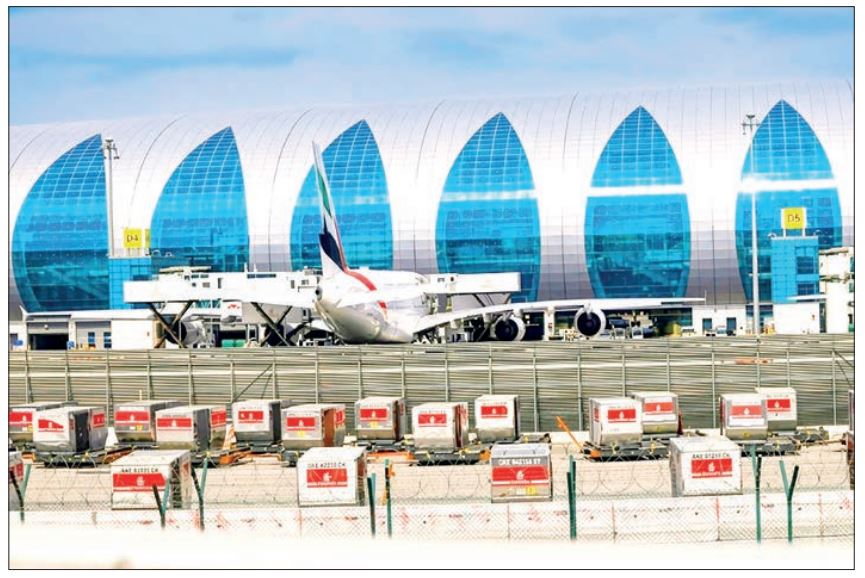
Mideast airlines in particular have slashed flights as Gulf airports were shut during the latest Mideast conflict, exposing the risk of a “hub” strategy that relies on streams of passengers to and from the Americas, Europe and Asia.
AFP
#TheGlobalNewLightOfMyanmar